
Navigating CSRD & CBAM: How Non-EU Exporters Can Maintain Defensible ESG Data Chains
A complete guide for GCC and Asian manufacturers facing European supply chain audits, CBAM embedded emission declarations, and mandatory Scope 3 disclosures.
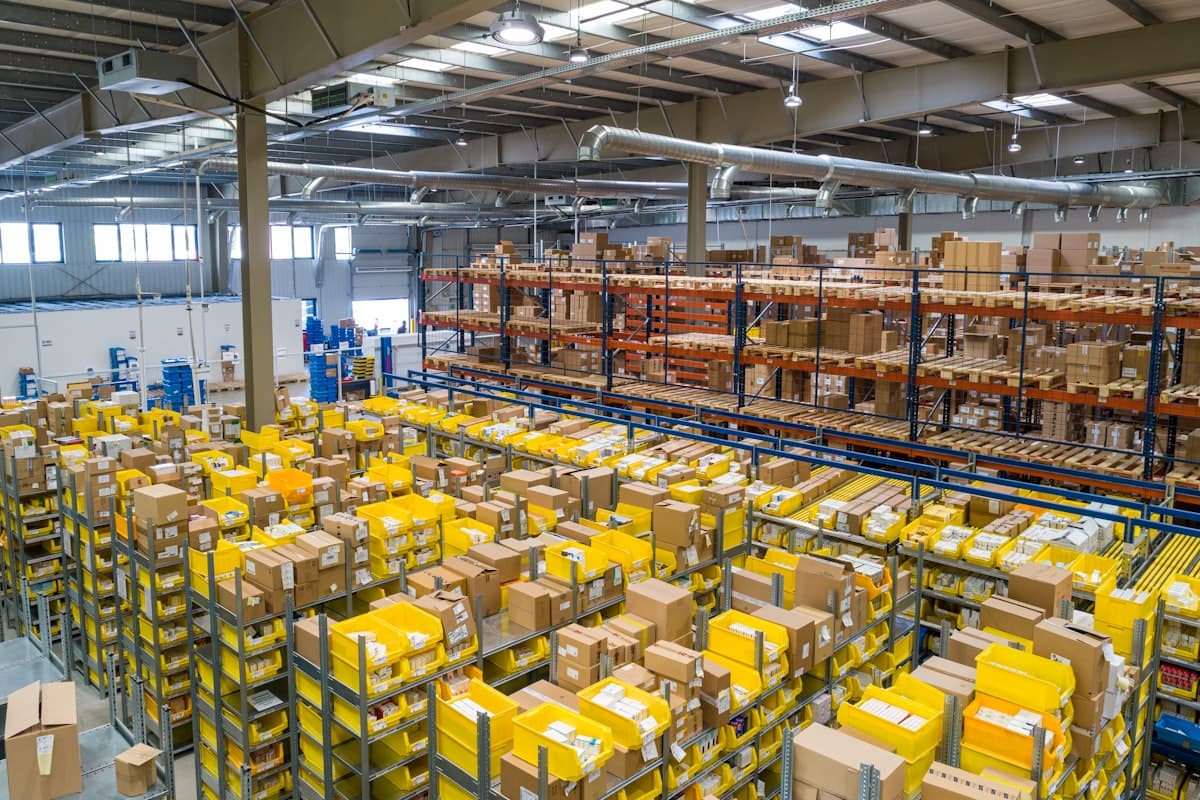
The Rise of Border Carbon Adjustments
Industrial producers exporting cement, steel, aluminum, fertilizers, and hydrogen into the European Union are no longer judged solely on price and quality. Under the EU Carbon Border Adjustment Mechanism (CBAM) and Corporate Sustainability Due Diligence Directive (CSDDD), their carbon footprint has become a statutory trade barrier.
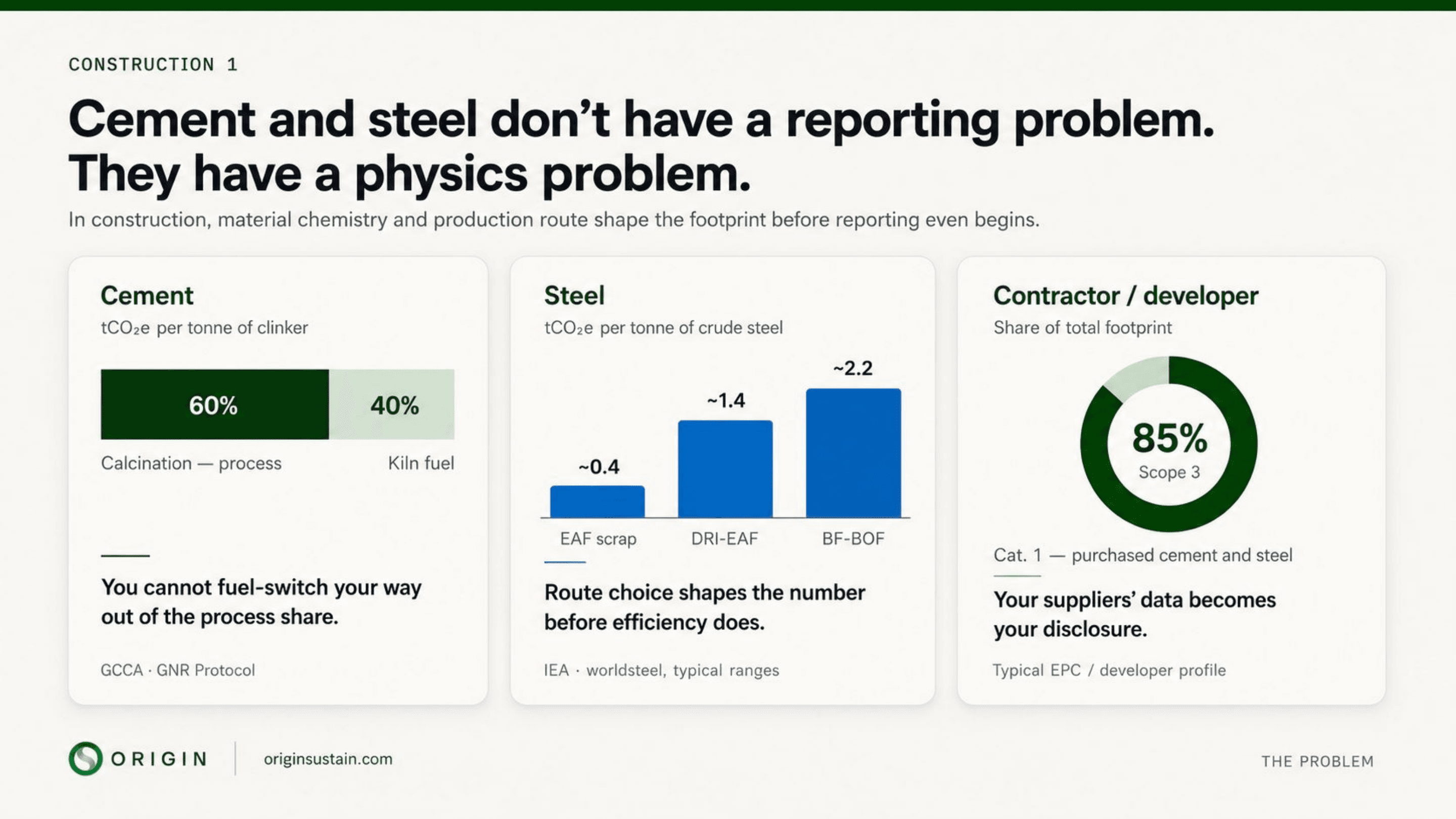
In heavy industrial sectors like steel and cement, chemical process emissions from limestone calcination and iron ore reduction cannot be estimated from procurement invoices. Disclosing exact production routes (such as EAF versus BF-BOF or precise clinker substitution ratios) is an explicit statutory requirement under CBAM.
Key Steps for Non-EU Manufacturers
-
Establish Facility-Specific Emission Boundaries: Disaggregate corporate-wide data into specific production routes and installations.
-
Eliminate Default Value Penalties: The EU imposes severe default markup values on imports lacking primary verification. Primary sensor and fuel data is essential.
-
Implement Maker/Checker Verification: Maintain unbroken evidence lineage for every megawatt-hour and tonne of fuel consumed.
Origin ESG Infrastructure
Move from scattered spreadsheets to audit-ready compliance.
See how Origin structures facility-level ESG data, automates utility invoice ingestion, and creates verifiable evidence chains for CFOs and auditors.